

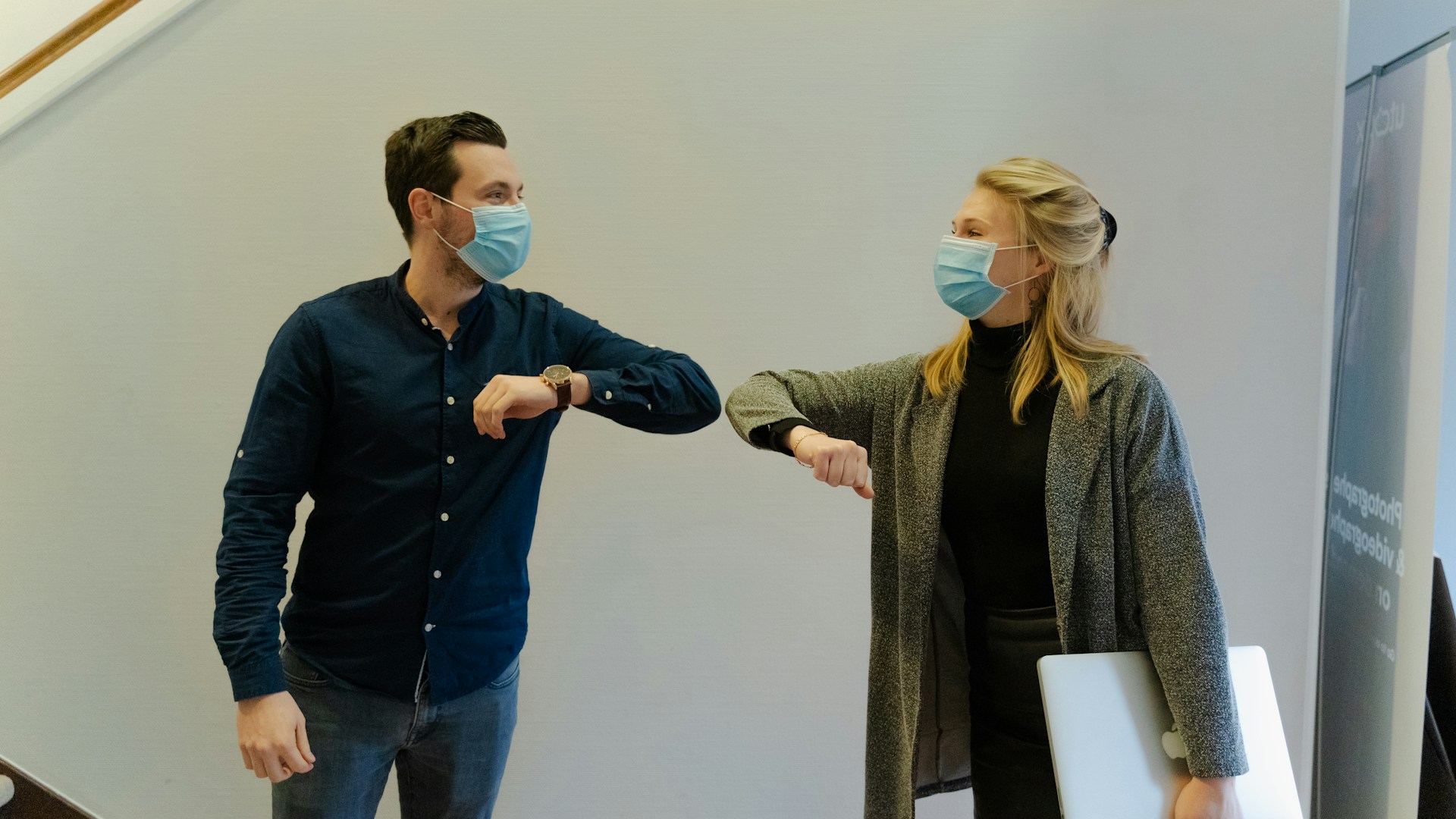
The emotional impact of the COVID-19 pandemic continues to affect healthcare environments long after the height of the crisis. Healthcare professionals faced sustained pressure from long shifts, high patient volumes, and constant exposure to uncertainty. At the same time, many patients continue to experience heightened anxiety related to illness, medical visits, and lingering fears around safety. These shared experiences have made mental wellness an ongoing concern across the healthcare system.
The Importance of Managing Stress in Care Settings
Stress and anxiety influence more than emotional well-being. In healthcare settings, they can affect concentration, decision-making, and communication. When stress goes unmanaged, it can quietly undermine both patient outcomes and workplace morale.
For patients, anxiety often stems from a lack of information or fear of the unknown. Healthcare professionals can help reduce this by offering clear explanations, setting expectations early, and maintaining a calm, steady presence. Small environmental choices also matter. Comfortable seating, softer lighting, and reduced noise can make clinical spaces feel less intimidating. Even brief moments of genuine connection, such as acknowledging a patient’s concerns or asking a simple personal question, can help restore a sense of control and trust.
Supporting the Mental Health of Healthcare Professionals
Healthcare workers are trained to put others first, but ongoing emotional strain without recovery can lead to burnout and compassion fatigue. Addressing mental wellness among providers is essential for sustaining both individual careers and the healthcare system as a whole.
Simple practices can make a meaningful difference. Short mental breaks, peer conversations, and setting boundaries between work and personal life help reduce long-term stress. Many professionals also benefit from mindfulness practices, reflective journaling, or access to counseling resources. Support from leadership plays a critical role. When organizations openly encourage mental health care and normalize asking for help, it becomes easier for staff to seek the support they need.
Creating a More Compassionate Healthcare Culture
Mental wellness is not separate from quality care. It is a foundation for it. Supporting emotional health for both patients and professionals leads to clearer communication, stronger relationships, and safer care environments.
When healthcare systems prioritize mental well-being alongside physical health, the benefits extend throughout the organization. Patients feel more at ease, providers feel more supported, and care environments become more resilient. A healthcare culture built on empathy, understanding, and balance is better equipped to meet the challenges of today and the future.
If you are a medical professional looking for some ways to care for your patients and yourself more effectively, check out the accompanying resource from pulmonary medicine experts, Specialdocs Consultants.


