

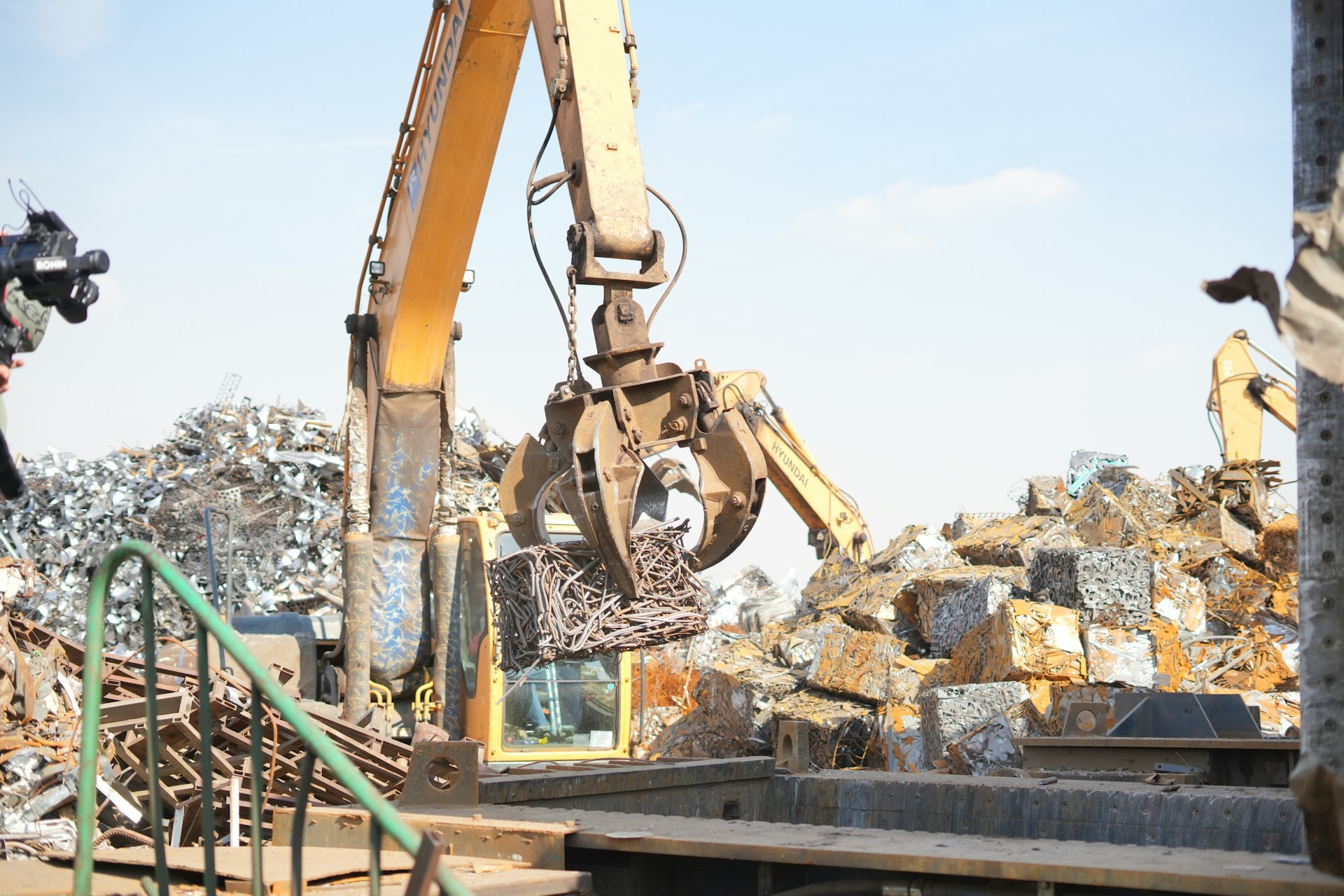
Recycling metal is a practical step toward conserving natural resources and reducing environmental impact. Unlike many materials, metal doesn’t lose its strength or quality through recycling, making it ideal for repeated reuse. By choosing to recycle instead of discarding, we reduce the need for new mining operations and reduce energy consumption tied to raw material processing.
One common type of recyclable metal is iron, often recovered from construction debris, household items, or machinery. What is scrap iron used for? It’s frequently melted down and repurposed into structural steel, automotive parts, tools, and other durable goods. This process not only diverts waste from landfills but also supports a circular economy where materials retain value and purpose long after their initial use. Individuals and industries can contribute to a cleaner, more sustainable future through simple actions.
Benefits for the Environment and the Economy
The environmental case for recycling metals is overwhelmingly positive. Recycling reduces pollution, decreases water usage, lowers mining waste by nearly 97%, and cuts carbon emissions, benefiting the environment. It also reduces landfill waste, preventing runoff and contamination. Economically, the scrap recycling sector sustains around 500,000 U.S. jobs, supports local economies, and provides affordable materials, especially during raw material shortages. These ecological and financial benefits encourage households and businesses to recycle daily, offering multiple advantages.
What Metals Can Be Recycled?
Understanding which types of metal are suitable for recycling allows consumers and companies to participate more effectively. There are two primary categories to consider:
- Ferrous metals: Easily recognized for their magnetic properties, iron and steel—such as washing machines, tools, car parts, and renovation materials—are often prioritized in bulk recycling programs and found in remodeling waste.
- Non-ferrous metals: These metals are typically non-magnetic and have a higher value. They include aluminum (like beverage cans), copper (wiring), brass (fittings), and lead or zinc, found in items ranging from Christmas lights to plumbing scraps.
- Specialty or electronic metals: Many scrap yards now accept electronics, batteries, and specialty alloys. Cell phones, laptops, and certain light bulbs are increasingly accepted for the valuable metals they contain.
Before recycling, it’s essential to verify the requirements for each local facility and prepare items by detaching non-metal components or cleaning food containers. Adequate preparation allows recycling centers to handle less polluted materials and operate more effectively.
Simple Steps to Start Recycling
Recycling requires a complete lifestyle overhaul, but starting with scrap metal can be surprisingly rewarding and straightforward. The first step is establishing clear and convenient collection points at home, apartment complexes, or workplaces. Labeled bins or boxes strategically placed in kitchens, garages, or near office break rooms can capture metal scraps before disappearing into the general trash.
- Set up sorting stations: Assign separate containers for metals. This prevents contamination with regular waste and encourages others to join in.
- Pre-process when possible: Empty and rinse any containers containing food or liquids. Flatten cans when possible to save space and make transport easier.
- Research rules: Look up your town or city’s recycling guidelines online or by calling the local waste department. Each region may have slightly different policies on what metals are accepted and how they should be prepared.
- Take advantage of local programs: Many communities hold special recycling days, offer curbside pickup for bulky metal items, or run permanent drop-off sites for residents and businesses.
By gradually adopting these steps and being consistent, individuals and groups can dramatically reduce the amount of metal that is needlessly buried in landfills each year.

