

Initial Consultation and Site Assessment
Every solar journey begins with a thoughtful consultation. Energy usage, roof space, shading, and structural integrity are evaluated during this stage to determine project suitability. Technicians use advanced tools to map sunlight exposure and highlight any obstructions. At this phase, it’s helpful for homeowners to ask questions and establish their goals, since the right system size and technology choice can vary widely by household. Regular system upkeep and solar power repair Corona, CA services can extend the usefulness and efficiency of your solar investment over the years. Understanding these maintenance needs early can help prevent costly repairs and maximize long-term savings. A proactive approach ensures your solar system continues to operate optimally, even as weather and environmental factors change.
Designing the System
With on-site data collected, solar professionals custom-design a solution tailored to the home’s needs. This involves configuring panel layouts, selecting inverters, and planning wiring paths. The design must balance electric yield with regulations, local weather, and aesthetic preferences. Good design also accounts for future changes in electricity needs. The U.S. Department of Energy notes that optimal design considers your utility’s rate structures, any local incentives, and the roof’s orientation for maximum sun exposure.
Permitting and Approvals
The next major milestone is navigating paperwork. Installers coordinate with city offices or county officials to secure permits, ensuring the project meets safety codes and local zoning laws. Depending on the project’s complexity and local requirements, permitting can take from a few days to several weeks. Having a team familiar with regulations can prevent costly delays and make this step almost seamless for homeowners.
Solar Panel Installation Day
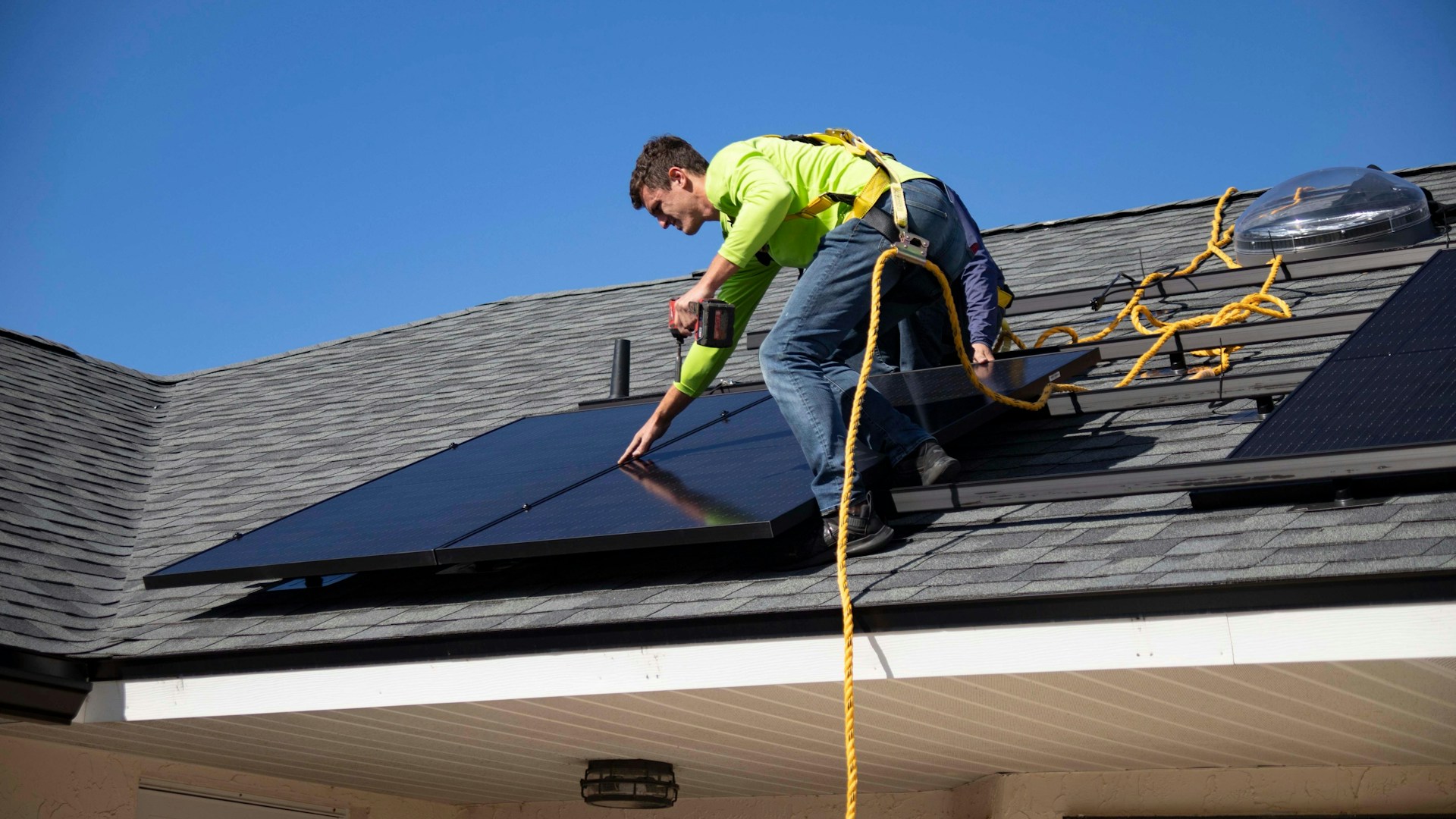
On installation day, crews mount panels and set up racking systems on-site. The process starts with securing mounting hardware to the roof and carefully installing the solar panels themselves. Teams work efficiently, often completing residential projects in one or two days. Attention to detail and coordination between installation, electrical, and roofing professionals are vital for safety and performance.
Electrical Work and System Connection
After panels are installed, electricians handle the wiring, install inverters, and connect the system to your home’s electrical panel. This transforms solar energy into usable electricity for the household. Proper configuration at this stage ensures that all power generated safely integrates with existing circuits. Many installers place monitoring devices so homeowners can track their solar output in real time, which helps optimize energy use.
Inspection and Utility Approval
Before a solar system can start producing power, it must pass inspection and receive approval from the local utility. Inspectors review the installation to confirm that it aligns with building and electrical codes. Once approved, the utility company may install a new meter or enable net metering, giving the green light for system activation. According to PV Tech, quick and efficient inspections depend on using certified installers and transparent documentation.
Post-Installation Maintenance
After commissioning, best practice involves regular inspections and maintenance. Keeping panels clean and addressing issues proactively helps maximize long-term energy production. Many homeowners rely on reputable service providers for scheduled maintenance or on-demand repairs, which can prolong equipment life and maximize solar return on investment. It’s important to quickly resolve any drops in performance or connectivity to maintain efficiency.

